Friday, January 10, 2014

Lavender Massage Oil helps support a calm composure and self-expression perfect for Valentines

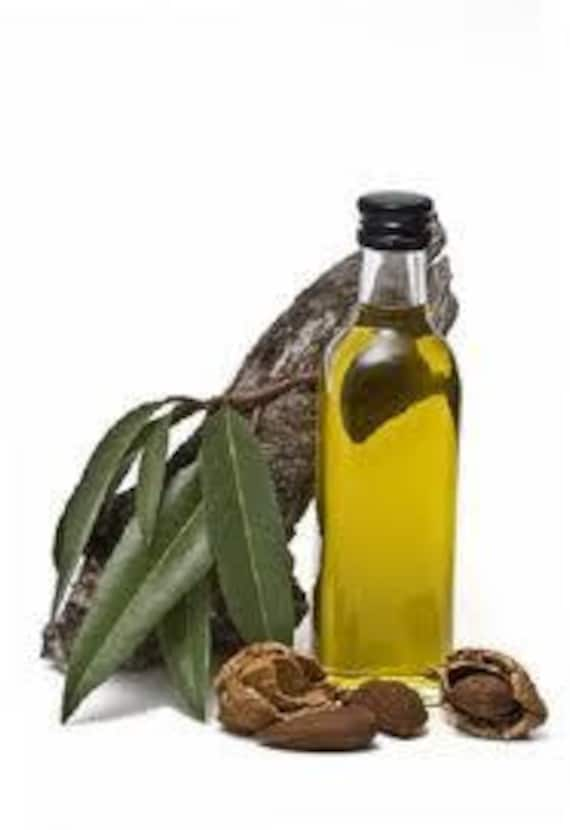
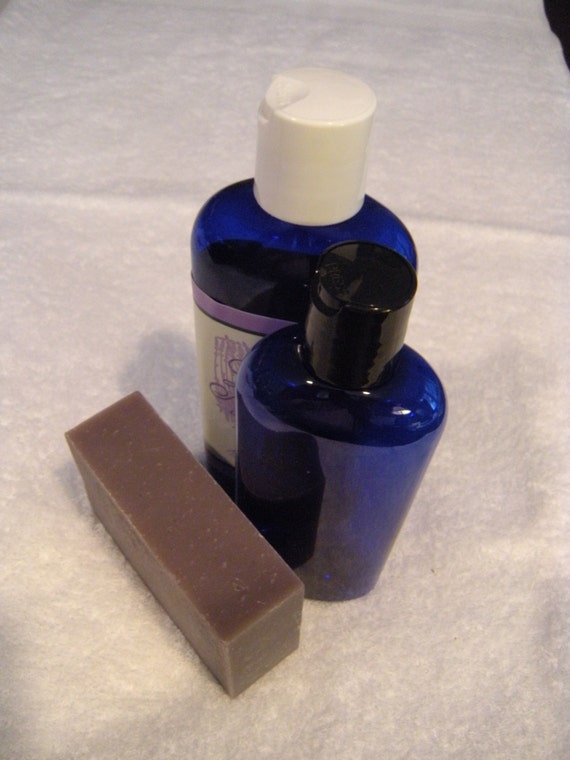
Lavender Massage Oil by Jessiepearl

Lavender Massage Oil - 6oz bottle - helps support a calm composure and self-expression. It reduces irritability, insomnia, panic attacks  Touch and fragrance combine when you massage with this natural lavender body oil. Soothing to the skin, this oil blend encourages the "letting go" of muscle tension.

Ingredients: Essential oils of lavender and sweet orange are blended into a rich body oil of safflower, coconut and almond oils.

Available in 4oz and 6oz bottles.

We suggest allowing massage oil to warm in your hands before applying to body.

*****************************

A Few Important Properties of Lavender as reported on the Purple Haze Lavender Farm web-site.

It is antibacterial, anticonvulsive, antidepressant, antiinflammatory, analgesic, antirheumatic, antispasmodic, antitoxic, antiviral, anticoagulant, carminative, cholagogue, cicatrisant, cordial, cytophylactic, deodorant, decongestant, diuretic, emmenagogue, galactogogue,hypotensive, insecticidal, nervine, parasiticidal, rubefacient, restorative, sedative, sudorfic, tonic, vermifugal, and vulnerary.

Common Uses
Ideal for physical and emotional support. Lavender as a whole is an 'adaptagenic' essence with a relationship to all Body Systems. It is nicknamed the ultimate 'first aid in a bottle' oil. Lavender produces an Anti-Allergic Essential oil, with an inherent antibiotic action. It is also an astringent as well as moisturizing to skin. It alleviates aches, pains, and swelling from arthritis to injury to headache. Lavender also alleviates motion sickness.

Emotionally, lavender helps support a calm composure and self-expression. It reduces irritability, insomnia, nightmares, apprehension, panic attacks combined with uncontrollable shaking, stress, nervous tension, hysteria and is generally balancing to the psyche, as well as the body.

Internal Possibilities
Research is proving that lavender is beneficial with regard to support for hyperglycemia, hypertension, indigestion, arteriosclerosis, digestive complaints, kidney stones, fragile capillaries, anemia, and heartburn. It is non-toxic, non-irritant, non-sensitizing.

Safety
Some say lavender should be avoided in the first trimester of pregnancy. It should not to be used with preparations containing iron and/or iodine.

Available in 6oz and 4oz sizes.at https://www.etsy.com/listing/167228842/lavender-massage-oil-6oz-bottle-helps?ref=related-1

````````````````

Convo us about our reorder discounts. You will love our soap, lotions and soaps for life.
.

Be My Valentine with Honey Almond Massage Oil by Jessiepearl

Honey Almond Massage Oil by jessiepearl
Be My Valentine with Honey Almond Massage Oil  - 4 Fl Oz -The fragrance of Honey almond is blended into Grapeseed oil resulting in a rich body massage oil for yourself or as a gift for those you care about.

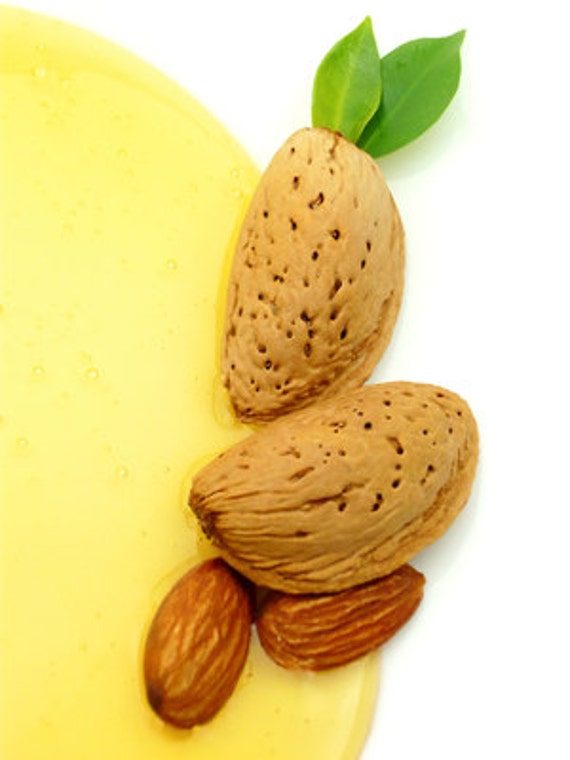
Touch and fragrance combine when you massage with this natural body oil. Soothing to the skin, this oil blend encourages the "letting go" of muscle tension.

Our Grapeseed Massage Oil is 100% pure, expeller pressed Grapeseed oil. This 100% natural oil is often cited for it's smooth glide and amazing absorption plus it is very rich in vitamins and minerals.

Sweet Honey Almond Massage Oil is naturally high in vitamins A, B1,B2,B6 and E making it great for people with dry itchy skin and inflammation.
Store your massage oils in dark glass bottles and keep them in cool dark places.

Do not pour massage oil directly on your skin - pour a small amount into your palms and warm it. Warm up oil before doing any massage including your fingertips.

Available in 6 fl oz for $9.00 / 4 fl oz for $6.50 / 2 fl oz for $3.75  
See link below to order:

````````````````

Convo us about our reorder discounts. You will love these oils for life.
.

Tuesday, January 7, 2014

Monday, January 6, 2014

Get prepared for Valentine's Day February 14th.


Get prepared for Valentine's Day February 14th.


Soap is a much desired and loved gift.  Don't think of it as just getting clean.  Think of aromatherapy, mood alteration, spa pampering, moisturizing to feel like luxury living.

 
Read our soap descriptions.  You will find that there are many feelings and  benefits to various our essential oils besides aromatherapy.  Each soap has it's own characteristics that will enhance the feeling that you and your partner are looking for.


 Be it one bar or our soap a month club, the result is the same - An obvious expression of love and caring.


Shop Sections

Sunday, January 5, 2014

FYI 160 Herbs with Their Uses and Benefits in detail

Now that we have discussed Essential Oils in some depth ( but with more to come), we can switch gears and talk about a great site for Herb information which will be useful in soap our making.  160 of them to be exact.


   Visit:  
http://www.herbs-info.com/list-of-herbs.html for  links to informative information about each of the herbs listed below.

On this page you will find our alphabetical list of (now) 160 herbs!
 

Every herb in our list has its own dedicated page on this site - with pictures and very detailed info! 

Follow the links to learn more about each herb. 

The goal of the individual herbs' pages is to gather information about the plant in one place, so that anyone researching it can have quick access to information.

Please bookmark this page so that you can use it as a "quick lookup" when you want to learn all about a herb. You can also share our image on Facebook and Pinterest. Each herb page follows a similar format -
starting with names for the herb in different languages, then giving background and history, common and traditional uses of the herb, scientific research, esoteric uses and safety notes.

Our method of organization intentionally follows the style of the old herbals, which listed the plants in alphabetical order and often compiled the writings of other herbalists from past times. There is much material to work through and so this list is continuing to expand.
 

Ok, here is the list!

http://www.herbs-info.com/list-of-herbs.html for  links to informative information about each of the herbs listed below.
Our method of organization intentionally follows the style of the old herbals, which listed the plants in alphabetical order and often compiled the writings of other herbalists from past times. There is much material to work through and so this list is continuing to expand. Ok, here is the list!

The Herbs:

- See more at: http://www.herbs-info.com/list-of-herbs.html#sthash.9dgaHdsO.dpuf
Agrimony | Ajwain | Alfalfa | Allspice | Aloe Vera | Althaea Officinalis (Marsh Mallow) | Amla | Angelica | Angostura | Anise | Arabian Jasmine | Arnica | Arrach | Artemisia | Asafoetida | Bashful Mimosa | Basil | Bay Laurel | Bean | Bears Breech | Betony | Bitter Melon | Black Pepper | Blackberry Bush | Blumea Camphor | Borage | Brooklime | Bryony | Bugle | Burdock | Cacao | Calendula | Canella | Capers | Cardamom | Cascara Sagrada | Catnip | Cat's Whiskers | Cayenne | Celery | Centory | Chamomile | Chervil | Chinese Honeysuckle | Chives | Cilantro | Cinnamon | Clavo Huasca | Clove | Coltsfoot | Comfrey | Cordyceps | Cumin | Dandelion | Deadly Nightshade | Dill | Echinacea | Elder | Epazote | Female Peony | Fennel | Fenugreek | Feverfew | Five Leaved Chaste Tree | Frankincense | Galangal | Garlic | Gentian | Ginger | Gingko Biloba | Ginseng | Goat's Rue | Goji | Golden Seal | Gotu Kola | Green Tea | Guarana | Guava | Hearts Ease | Heavenly Elixir | Hedge Nettle | Henna | Hibiscus | Hollyhocks | Holy Basil | Honeysuckle | Hops | Horny Goat Weed | Horseradish | Horsetail | Hyacinth | Indian Laurel | Jew's Mallow | Juniper | Kava | Ladies Mantle | Lady's Thistle | Lavender | Lead Tree | Lemon Balm | Lemongrass | Licorice | Lily of the Valley | Male Satyrion | Marjoram | Milk Thistle | Moringa | Mountain Apple | Mugwort | Mullein | Neem | Nelumbo Nucifera | Nutmeg | Nymphaea Caerulea | Onion | Oregano | Orris Root | Paprika | Parsley | Passion Flower | Pepper Elder | Plantain | Primrose | Queen's Flower | Red Clover | Reishi | Rhubarb | Ringworm Bush | Rooibos | Rosemary | Rue | Saffron | Sage | Saw Palmetto | Senna | Slippery Elm | Snake Needle Grass | Snakeweed | Soapnuts | Solomon's Seal | Spearmint | Spiny Sapindus | St. John's Wort | St Thomas Bean | Star Anise | Starfruit | Stinging Nettle | Sweetsop | Tamarind | Tarragon | Tea | Thyme | Turmeric | Uva-Ursi | Vanilla | Vervain | Water Hyssop | Wild Oregano | Wild Tea | Witch Hazel | Yerba Mate | -

 See more at: http://www.herbs-info.com/list-of-herbs.html#sthash.9dgaHdsO.dpuf
 

For Soap Making Herbs you can't beat the  Bulk Herb Store
Great selection of bulk herbs, books, and remedies. Articles, Research Aids and much more.

We want to do more than sell quality herbs. We want to teach you what we know and inspire you to learn and research beyond that.  

Agrimony | Ajwain | Alfalfa | Allspice | Aloe Vera | Althaea Officinalis (Marsh Mallow) | Amla | Angelica | Angostura | Anise | Arabian Jasmine | Arnica | Arrach | Artemisia | Asafoetida | Bashful Mimosa | Basil | Bay Laurel | Bean | Bears Breech | Betony | Bitter Melon | Black Pepper | Blackberry Bush | Blumea Camphor | Borage | Brooklime | Bryony | Bugle | Burdock | Cacao | Calendula | Canella | Capers | Cardamom | Cascara Sagrada | Catnip | Cat's Whiskers | Cayenne | Celery | Centory | Chamomile | Chervil | Chinese Honeysuckle | Chives | Cilantro | Cinnamon | Clavo Huasca | Clove | Coltsfoot | Comfrey | Cordyceps | Cumin | Dandelion | Deadly Nightshade | Dill | Echinacea | Elder | Epazote | Female Peony | Fennel | Fenugreek | Feverfew | Five Leaved Chaste Tree | Frankincense | Galangal | Garlic | Gentian | Ginger | Gingko Biloba | Ginseng | Goat's Rue | Goji | Golden Seal | Gotu Kola | Green Tea | Guarana | Guava | Hearts Ease | Heavenly Elixir | Hedge Nettle | Henna | Hibiscus | Hollyhocks | Holy Basil | Honeysuckle | Hops | Horny Goat Weed | Horseradish | Horsetail | Hyacinth | Indian Laurel | Jew's Mallow | Juniper | Kava | Ladies Mantle | Lady's Thistle | Lavender | Lead Tree | Lemon Balm | Lemongrass | Licorice | Lily of the Valley | Male Satyrion | Marjoram | Milk Thistle | Moringa | Mountain Apple | Mugwort | Mullein | Neem | Nelumbo Nucifera | Nutmeg | Nymphaea Caerulea | Onion | Oregano | Orris Root | Paprika | Parsley | Passion Flower | Pepper Elder | Plantain | Primrose | Queen's Flower | Red Clover | Reishi | Rhubarb | Ringworm Bush | Rooibos | Rosemary | Rue | Saffron | Sage | Saw Palmetto | Senna | Slippery Elm | Snake Needle Grass | Snakeweed | Soapnuts | Solomon's Seal | Spearmint | Spiny Sapindus | St. John's Wort | St Thomas Bean | Star Anise | Starfruit | Stinging Nettle | Sweetsop | Tamarind | Tarragon | Tea | Thyme | Turmeric | Uva-Ursi | Vanilla | Vervain | Water Hyssop | Wild Oregano | Wild Tea | Witch Hazel | Yerba Mate | - See more at: http://www.herbs-info.com/list-of-herbs.html#sthash.9dgaHdsO.dpuf


FYI Five Best Essential Oils For Pain Relief


Essential oils can be really much more powerful than you might think and some of them are really great for pain relief and not only pain relief, they can also help with muscle tension, neuropathy, inflammation or migraines and much more. It is surprising that people do not use this amazing natural product more.

Aromatherapy might be something new for you, but in fact it is very old. Science still has no real proof that it is actually efficient, but many people believes that it is, so it is just up to you if you are going to give it a try or not. In this short article I would like to present five best essential oils for pain relief.

Essential oils can be used in many ways when you need to ease pain and they should be efficient to many different kinds of pain. You can for example use these oils in various lotions or creams, you can also use them in bath, mix them with bathing salts, you can use them in massage oils or in classic aromatherapy.

Essential oils can be really great addition to your medicine, but of course they are usually not so efficient to completely substitute them. You should also know that pure essential oils are usually very concentrated and very strong, so they are not usually used in this form and they are usually mixed in some other oil, because pure they might to more bad than good to you, especially your skin and eyes could be severely damaged by some pure essential oils.

Peppermint Oil
peppermint   
If you have problems with headaches and not using peppermint yet, then it is really big mistake. Peppermint is just great for this. Even it is known tha eating peppermint in fact can start your migraine or even make your migraine worse, when you use the peppermint oil the right way, it should actually help you. Just four drops of peppermint oil in one tablespoon of olive or similar oil applied gently on your temples can help a lot. Some people even suggest adding lavender or even rosemary essential oil, it should enhance the effect, but I have never tried it.
Lavender Oil

Lavender oil is sometimes called “king of essential oils”, because it has many various positive effects. Lavender essential oil is relaxing, pain and stress relieving, also has antimicrobial effects and helps with migraines and muscle tension.

I just love lavender oil, because I have sometimes problems with sleeping and lavender is really great for this. If you have these problems also, then you can use lavender oil in bath before you go to bed and you will fall asleep more easily and should also have much more quality sleep. Why this is good for pain relief? Well, it is quite simple, when you have quality sleep you will feel much less pain. It is suggested to use lavender oil with chamomile oil, together it has strong pain relief effect.

Chamomile Oil

Chamomile Oil is very well known for its amazing and really strong anti-inflammatory effects. Really, it is something what works very well. It has been used for very long time for neuralgia, migraines, headaches, stress or PMS. It is something what works even much better when used together with lavender oil. these two together are very strong weapon again many kinds of pain.

Eucalyptus Oil

Eucalyptus Oil is another one that belongs among my favorite ones and among those which are very famous. I’m sure that everyone knows that beautiful smell eucalyptus has, but it has much much more. It is anti-inflammatory when used topically and also analgesic. Using this is very simple, you use it as cream or as lotion and just massage those areas of your body where you feel the pain coming from. If you feel that is is like whole your body is in pain, then it is good to use eucalyptus oil in bath.  It is also very often recommended for the treatment of strong muscular aches and pains, strains and/or sprains, and nerve pain.

Juniper Oil

Juniper oil is another one of those essential oils I like because it has so many uses and one of them is also pain relief. Why? Because this essential oil has strong antispasmodic and also strong antireumatic effects. Usually is this essential oil used as lotion or cream that will help you with muscle spasm and also with joint pain and muscle pain. Juniper oil also strengthens your nerves, and is also sometimes helpful in patients with neuropathic pain if used regularly. Juniper essential oil also has strong stimulant properties and it should always be used in the morning or during day, and never near bedtime, because you might have problems falling asleep then.

Originally Posted with purchase recommendations at:
http://healthtipsblog.co/five-best-essential-oils-for-pain-relief/
.

Friday, January 3, 2014

FYI 21 Things You Should Know About Using Essential Oils


13 Uses For Lavender Oil: The Only Essential Oil You'll Need


21 Things You Should Know About Using Essential Oils

Lord help me, people. I’ve spent the last two days trying to write a concise, easy guide to essential oils and their safety, and it ended up being just an enormous dump of information that no would want to ingest in a single blog post.

Therefore, you’re getting the quickest, easiest 21 facts you need to keep in mind. These things include safety measures, essential oil facts, therapeutic uses, and more. You’ll like this better. I promise.

However, at the end of this post, I am going to give extensive references to those of you who would like to learn more about the fascinating world of essential oils, as well as a list of my top 7 recommended essential oils for any household to have.

21 Things You Should Know About Essential Oils

Essential oils are not really oils. They do not contain the fatty acids that constitute what we would consider an actual oil. Valerie Gennari Cooksley, author of Aromatherapy: Soothing Remedies to Restore, Rejuvenate and Heal defines essential oils as “highly concentrated plant constituents possessing potent medicinal and cosmetic qualities.” However, I think Stephanie Tourles nailed it in Organic Body Care recipes when she said, “I consider essential oils the life force or the soul of the plant.”
  • Most essential oils are high in antibacterial, antifungal, and antiviral properties: This makes them an excellent addition to your homemade cleaning preparations. Oils that are best for cleaning are: Lemon, grapefruit, eucalyptus, peppermint, tea tree, lavender, and rosemary.
  • Essential oils are miniscule in molecular size, which means they are absorbed well by the skin – making them perfect ingredients in personal care items intended to heal, soften, and nourish. However, they do not accumulate in the body over time – they simply offer up their healing properties and then pass on through.
  • Scientific studies have shown that rosemary essential oil helps your brain perform. Specifically, smelling rosemary essential oil helps memory recall and performance on tests. Interestingly, this study also showed that groups that inhaled either rosemary or lavender essential oil felt much more relaxed than those who inhaled no odor at all.
  • Fragrance oils and essential oils are NOT the same thing. As a rule of thumb, if you see the word “fragrance” or “fragrance oil” or even “perfume” on anything, you can assume this is synthetic and NOT natural. (Even if it says natural fragrance.)
  • Essential oils are wholly natural and cannot be patented; which means that you’ll never see an essential oil in a pharmaceutical drug. As such, you can expect that the vast majority of mainstream healthcare practitioners will never recommend essential oils as therapeutic alternatives to drugs. More importantly, because essential oils cannot be patented, drug companies will not waste money studying them. This limits our scientific knowledge of essential oils GREATLY, and the majority of what we know about them are things that have been passed down through thousands of years of personal use and experimentation.
  •  Enormous amounts of plants are needed to produce essential oil. In fact, on the extreme end, it takes 4000 pounds of Bulgarian roses to produce 1 pound of essential oil. Other plants like lavender only take 100 pounds of plant material to produce a pound of essential oil. Still, can you imagine how concentrated essential oils must be, in light of how many plants are used to produce them?

  • Most essential oils should never be used undiluted on the skin. Instead, they should be combined with “real” oils (called carrier oils), waxes, butters, alcohols, or other diluting measures. Because they’re so concentrated, if you don’t dilute, you may end up with an unfortunate reaction (and unhappy skin).
  • There are a few essential oils that are generally recognized as safe to use undiluted. Of course, there has to be a few exceptions to the rule. Again, in Organic Body Care Recipes, the author points out that the only essential oils that are widely acknowledged as safe to use undiluted (sparingly) are: lavender, German chamomile, tea tree, sandalwood, and rose geranium.
  • Never use an undiluted essential oil on a baby or child. Children have much thinner, more delicate skin than adults have, and tend to be very sensitive to the potency of essential oils. In fact, even if you do use essential oil in a recipe for children, only use half of the essential oil recommended in the recipe. That’s all they’ll need, anyway. (Here is a list of 19 essential oils that are safe for babies and children.)
  • Avoid the following essential oils while pregnant or nursing (and skip EOs completely in your first trimester): Aniseed, cedarwood, chamomile, cinnamon, clary sage, clove, ginger, jasmine, lemon, nutmeg, rosemary, sage (this is only a partial list of some of the more common essential oils – view the full one here).
  • To test if you’re sensitive to an essential oil (which is probably best to do before using it in a skincare preparation): Combine one drop of essential oil with 1/2 tsp carrier oil (like olive, jojoba, or sweet almond). Rub this on the inside, upper portion of your arm and wait a few hours. If no redness or itching develops, you’re most likely not sensitive to that essential oil.
  • Keep all essential oils out of the reach of children – and avoid contact with your eyes. This is just standard safety precautions, but must be mentioned.
  • Do not take essential oils internally, especially oils like wintergreen and eucalyptus. While some essential oils may be used well-diluted in something like toothpaste with safety, it’s generally recognized that there’s no need to take essential oils internally. In fact, there are several toxic essential oils that should be avoided even through skin contact. Luckily, these are NOT common essential oils, and most of them you’ll never find in the store.
  • Not all essential oils are created equally, nor does more expensive necessarily mean “better.” There are certain brands I will use in a less therapeutic fashion (like for cleaning), because they’re far less expensive than their counterparts. When you see a wide fluctuation in price between, say, lavender essential oils, you can bet that the far less expensive one is likely lower in quality. However, a small variation in price differences on the higher end will NOT mean a better essential oil. It will just mean a higher price. (A little birdie also told me that there are also only a handful of essential oil distilleries in the world, which means that most essential oils come from the exact same places – thus there is little difference in quality between the more “typically priced” EOs.) What I’m saying here is: Understand that you DO have to pay for quality, but that if you’re just using essential oils in non-therapeutic fashions, it’s okay to use less expensive oils (like the Beeyoutiful ones pictured at the top of this post, or NOW brand essential oils). But if you want high quality, I suggest using Mountain Rose Herbs or another ethical supplier that offers organic essential oils (grown without pesticides or toxic fertilizers).
  • To test your essential oil to see how “pure” it is, put a single drop of it on a piece of construction paper. If it evaporates quickly and leaves no noticeable ring, it is pure. If you have a ring left, then it is likely diluted by the manufacturer with an oil of some sort (this test will not work for myrrh, patchouli, and absolutes).
  • Essential oils will last for at least 5 years (if not 10), so one bottle could literally last you a decade. Hopefully that thought will help mitigate the cost involved in purchasing some essential oils. Because they are SO concentrated and only a tiny amount is needed in anything you do, they’ll last you a very, very long time. The only exception to this rule is citrus oils, which will see a reduction in potency after a year or two.
  • Store your essential oils in dark glass bottles (which they were probably packaged in) and out of direct sunlight. This is simply to help preserve their potency.
  • Remember that what you’re allergic to in food, you will be allergic to in essential oils. So if, for some reason, you can’t eat sage without breaking out in a rash, steer clear of sage essential oil (or any product containing it).
  • USE ESSENTIAL OILS TO HELP YOUR MOOD. Lavender, peppermint, grapefruit, chamomile, lemon, ylang-ylang all help produce happy, joyous moods. Clary sage helps with PMS (although there have been reports that overuse of clary sage can lead to intoxication). Rosemary increases focus and concentration. Don’t forget the mood benefits of essential oils. Here’s an information packed aromatherapy reference chart to refer to.
  • The recommended usage of many essential oils is hotly contested throughout the aromatherapy profession. The majority of oils you find in the supermarket are absolutely safe (though you should research them before using them); however, once you start digging into the world of essential oils, you’ll find that professionals – even within the same organization – debate extensively over the use of certain oils. If you’re ever unsure about an oil or its use, do the research you can, and if you still cannot make up your mind as to its safety – avoid it. But, by all means, do NOT be afraid of essential oils. Just use them with care and respect, and all will be fine.

Recommended Essential Oils to Get You Started

“What essential oils do you recommend I buy?” is the number one question I receive.
It’s a tough one to answer, because what EOs you buy depends on what you’re going to use them for. Nonetheless, I’ve narrowed it down to 7 essential oils to consider when starting to use them in your personal care products or homemade cleaning supplies.
  • Peppermint (good for lip balms, oily/acneic skin, and cleaning products)
  • Rosemary (good for hair preparations, oily/acneic skin, and cleaning products)
  • Sweet orange (good for all skin types and very soothing in room sprays for children)
  • Rose geranium (good for all skin types, creating perfumes, and for use in homemade moisturizers)
  • Tea tree (great for healing, getting rid of dandruff, oily/acneic skin, and cleaning products)
  • Lavender (great for all skin types, for relaxation, hair preparations, and cleaning products)
  • Lemon (great for lifting moods, cleaning preparations, and sparingly in toners and products for oily skin)
All of these essential oils also happen to be some of the least expensive and easiest to find. Bonus!
Where should you buy them?
  • Mountain Rose Herbs
  • More Than Alive (who graciously supplied Crunchy Betty with the Beeyoutiful essential oils found in the first picture)
  • Whole Foods/Trader Joes (or your local natural foods store)
  • iHerb (use my personal code OZE706 at checkout to get $5 off your first purchase there)

Want to Learn More About Aromatherapy and Essential Oils?

Here are some of my favorite references for learning more about how to safely and effectively use essential oils in skincare, aromatherapy, and cleaning products.
Would you believe that, even though this post is about 3000 words shorter than the original, you still learned THAT MUCH in 21 facts?

Unfortunately, there’s still so. much. more. to. talk. about. SO MUCH MORE.
So have at it.

Any questions? Anything you think other people should know about essential oils that I didn’t cover? Add to the wealth of knowledge and leave your comment.

Originally posted by  http://www.crunchybetty.com/21-things-you-should-know-about-essential-oils